Shabu Shabu Recipe: A Warm, Balanced Hot Pot Meal Made at Home
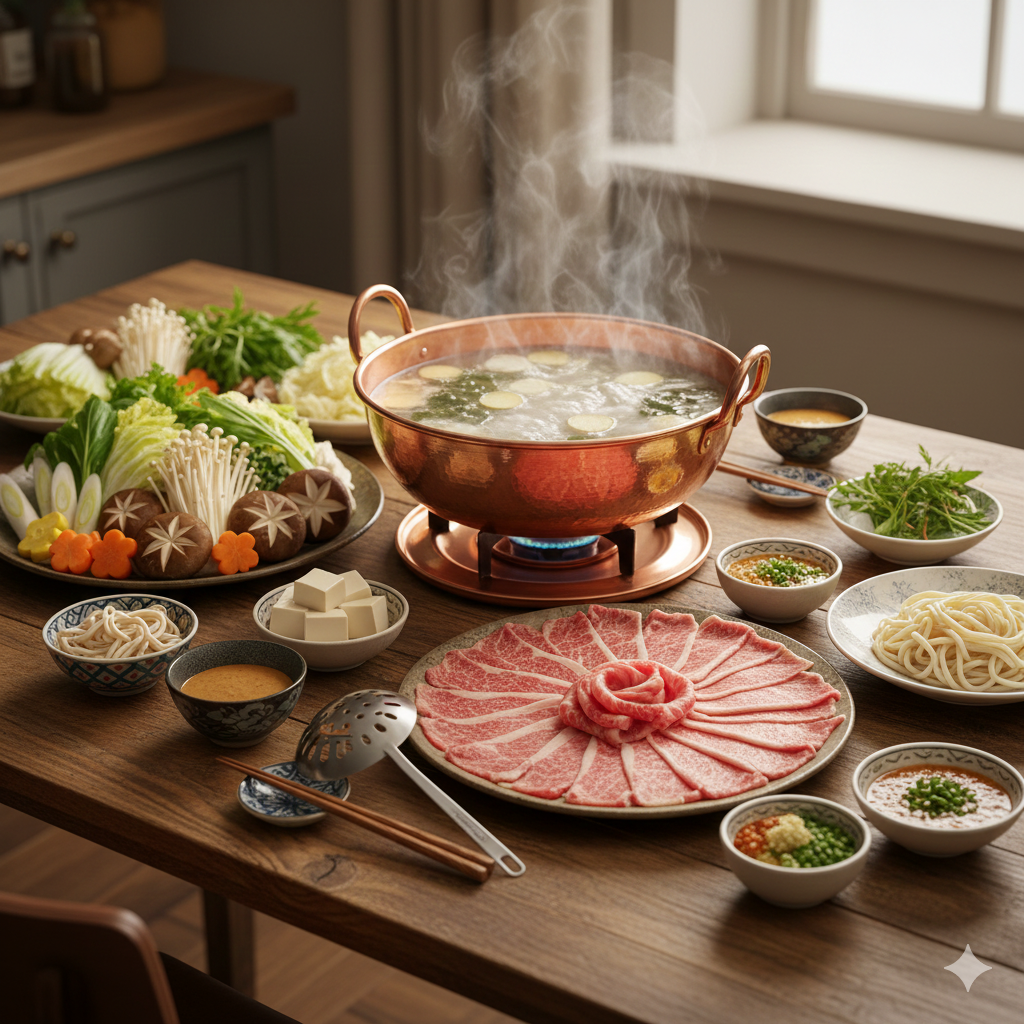
A shabu shabu recipe brings people together around a shared pot of gently simmering broth, thin slices of meat, fresh vegetables, and simple dipping sauces. This Japanese-style hot pot meal is known for its light taste, quick cooking time, and flexible ingredient choices. Unlike heavier stews or complex dishes, shabu shabu focuses on freshness and balance rather than long preparation.
This guide walks through traditional methods, modern home adaptations, broth options, sauces, meat choices, vegetarian versions, and regional variations such as shabu shabu recipe Korean and shabu shabu recipe Panlasang Pinoy. Each section is written for home cooks who want clarity without complexity.
What Makes Shabu Shabu Different From Other Hot Pot Meals
Shabu shabu stands apart because of its simplicity. Ingredients cook quickly in hot broth and are eaten one bite at a time. The name comes from the sound of swishing meat through the liquid, which is exactly how the dish is prepared.
Unlike heavily seasoned soups, shabu shabu broth remains light. Flavor comes from the ingredients themselves and the sauces served on the side. This approach allows beef, pork, vegetables, and tofu to keep their natural taste.
Because cooking happens at the table, shabu shabu works as both a meal and an experience.
Understanding Traditional Shabu Shabu Cooking
A traditional shabu shabu recipe uses a large pot placed over steady heat. The broth usually starts with water and dashi, sometimes with a piece of kombu. The liquid stays just below boiling.
Thin slices of beef or pork cook in seconds. Vegetables follow shortly after. Diners dip each bite into sauce before eating, often alongside steamed rice.
The broth deepens in flavor as the meal continues. Many families finish by adding noodles or rice to enjoy the last drop.
Shabu Shabu Ingredients That Form the Foundation
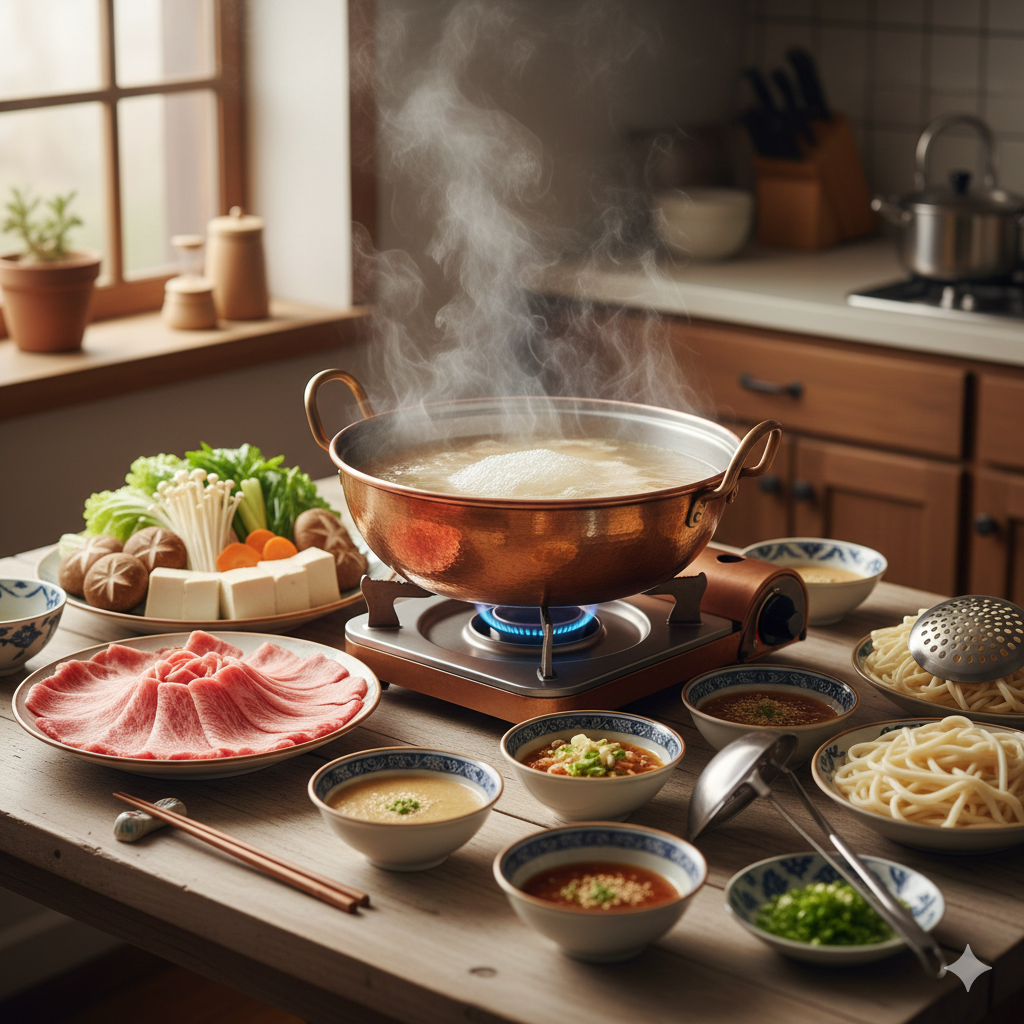
Shabu shabu ingredients remain simple but thoughtful. Thinly sliced meat sits at the center. Beef shabu shabu recipe versions often use sirloin or chuck sliced paper-thin. Pork sirloin for shabu shabu recipe options provide a softer bite.
Vegetables include napa cabbage, bok choy, mushrooms, and green onions. Firm tofu adds texture and absorbs broth flavor.
Broth relies on water and dashi. Sauces bring contrast and richness. Rice or noodles complete the meal.
Shabu Shabu Broth Recipe Basics Explained
A shabu shabu broth recipe does not aim for heaviness. Water forms the base. Dashi adds subtle depth without overpowering the ingredients.
The broth should stay at a gentle simmer, never a rolling boil. Too much heat clouds flavor and toughens meat.
As vegetables and meat cook, the liquid becomes more flavorful naturally. This gradual change is part of the dish’s appeal.
Types of Shabu Shabu Broth for Different Preferences
Types of shabu shabu broth vary by region and household. Clear kombu-based broth remains the most common.
Some variations add a splash of soy sauce for color. Others include ginger for warmth. Chicken-based stock appears in some home kitchens.
Shabu shabu recipe Korean versions may use anchovy stock or light seasoning for added depth, while still keeping the broth clean.
Vegetarian broths rely on mushrooms and vegetables to build flavor without animal products.
Shabu Shabu Recipe Easy Enough for Weeknights
A shabu shabu recipe easy enough for busy evenings requires minimal prep. Ingredients can be sliced in advance. Broth comes together quickly.
Cooking time stays short. Each bite cooks within seconds. Cleanup remains simple since everything happens in one pot.
This makes shabu shabu suitable not only for gatherings but also for quiet meals at home.
Shabu Shabu Meat Recipe Choices That Work Best
Thin slicing matters more than the cut itself. Beef shabu shabu recipe options often use ribeye, sirloin, or chuck. Fat content adds tenderness.
Shabu shabu meat recipe versions using pork focus on sirloin or belly sliced thin. Chicken works too when cut carefully.
The key is uniform thickness so meat cooks evenly during a quick swish in the broth.
Beef Shabu Shabu Recipe Texture and Timing
Beef shabu shabu recipe success depends on timing. The meat should enter hot broth briefly, then exit immediately.
Overcooking causes toughness. Properly cooked beef stays tender and pink.
Dipping sauce completes the bite, adding salt and richness without masking flavor.
Pork Shabu Shabu Variations Worth Trying
Pork brings softness and mild flavor. Pork sirloin for shabu shabu recipe styles work well because they stay tender.
Some households prefer pork belly for richer texture. Others choose lean cuts for lighter meals.
Pork pairs especially well with sesame-based sauces.
Shabu Shabu Sauce Recipe Options for Balance
Shabu shabu sauce recipe options usually include two classics: ponzu and sesame sauce.
Ponzu sauce combines soy sauce with citrus for brightness. Sesame sauce adds nutty richness.
Many diners alternate between sauces to keep flavors interesting throughout the meal.
Sauces are served in small bowls, allowing each bite to be adjusted.
Shabu Broth Recipe Adjustments at Home
A shabu broth recipe can be adjusted slightly based on preference. A slice of fresh ginger adds warmth.
A splash of soy sauce deepens color. Mushroom stems boost savory notes.
Adjustments remain subtle to keep ingredients in focus.
Shabu Shabu Recipe Panlasang Pinoy Influence
Shabu shabu recipe Panlasang Pinoy versions often include familiar vegetables and dipping sauces adjusted for local taste.
Calamansi may replace other citrus. Soy-based sauces lean slightly bolder.
The core method stays the same, making it approachable for Filipino home cooks.
Shabu Shabu Recipe Korean Style Explained
Shabu shabu recipe Korean variations often feature anchovy-based stock and additional vegetables.
The dipping sauces may include sesame oil and garlic for depth.
Despite differences, the cooking style remains gentle and quick.
Vegetarian Shabu Shabu Recipe Without Compromise
A vegetarian shabu shabu recipe focuses on mushrooms, tofu, and vegetables.
Shiitake, enoki, and napa cabbage provide texture and natural savoriness.
Broth made from kombu and mushrooms stays light yet satisfying.
Vegetarian sauces mirror traditional ones, maintaining balance.
Cooking Order and Flow at the Table
Cooking order matters. Start with meat, then vegetables.
Leafy vegetables soften quickly. Root vegetables take slightly longer.
Tofu benefits from longer soaking to absorb broth flavor.
Ending with noodles or rice uses the enriched broth fully.
Shabu Shabu as a Shared Meal
Shabu shabu shines as a communal meal. Everyone cooks at their own pace.
A portable burner keeps broth hot. Ingredients are placed around the table for easy access.
The relaxed rhythm encourages conversation.
Common Mistakes to Avoid
Boiling the broth too aggressively ruins texture.
Overcrowding the pot lowers temperature.
Overcooking meat removes tenderness.
Keeping heat moderate avoids these issues.
Storing Leftovers and Broth
Leftover broth can be strained and stored.
Vegetables soften further when reheated, so texture changes slightly.
Broth works well for noodle soup the next day.
Final Thoughts on Shabu Shabu Recipe
A shabu shabu recipe offers warmth, simplicity, and flexibility. It adapts easily to different ingredients, dietary needs, and occasions. Whether following a traditional shabu shabu recipe, a Korean-style version, or a vegetarian approach, the method stays consistent.
This dish values freshness, timing, and shared enjoyment. With a gentle broth, quality ingredients, and thoughtful sauces, shabu shabu becomes more than a meal. It becomes a calm, satisfying way to cook and eat together.
FAQs About Shabu Shabu Recipe
Can shabu shabu be made without dashi?
Yes. Water with kombu or vegetables works well.
Is shabu shabu healthy?
Yes. It relies on fresh ingredients and light cooking.
Can I prepare everything ahead of time?
Yes. Ingredients can be sliced earlier and stored chilled.
What meat works best for first-time cooks?
Thinly sliced beef is the easiest to manage.
Do I need special equipment?
A large pot and steady heat source are enough.