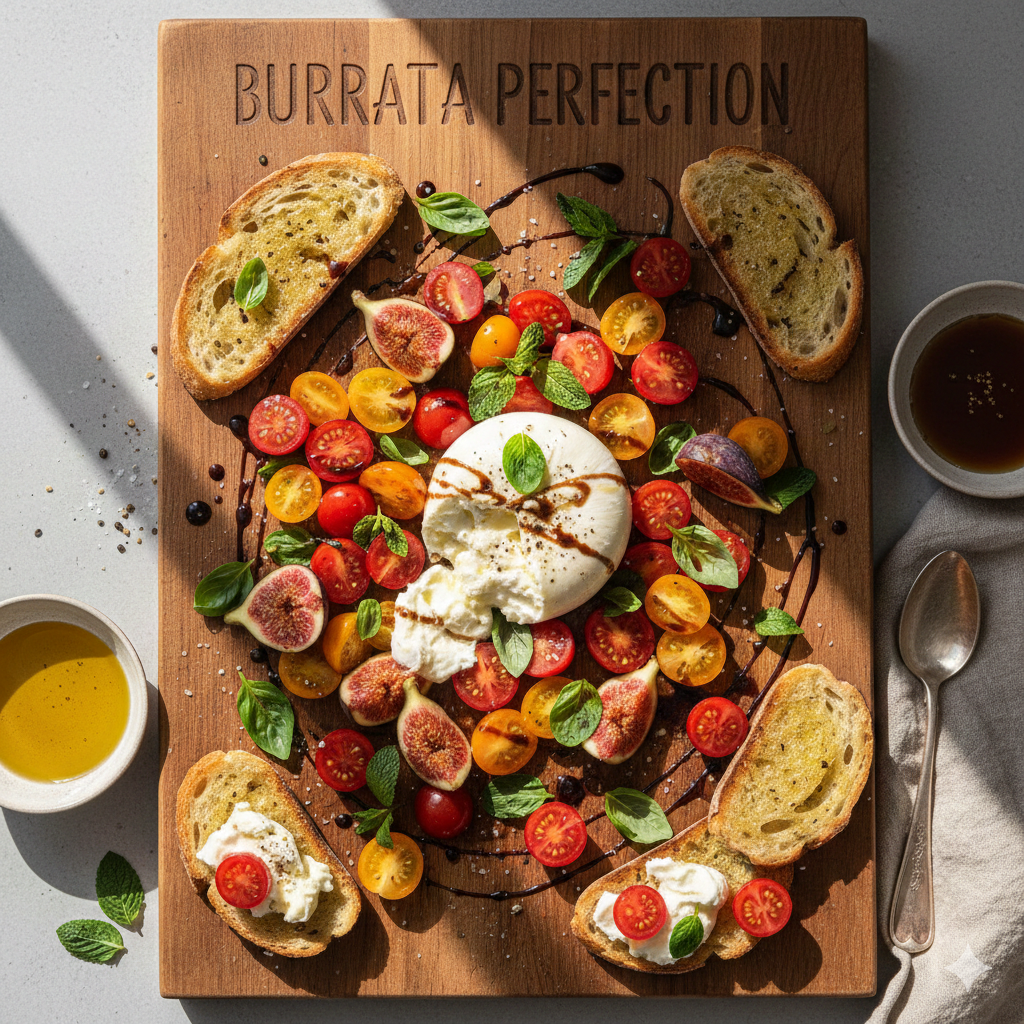
Burrata Cheese Recipe: A Complete Guide to Cooking, Serving, and Enjoying Creamy Burrata at Home
Burrata cheese has quietly transformed from a regional Italian delicacy into a global culinary favorite. Its delicate outer shell and luxuriously creamy center make it irresistible to home cooks and professional chefs alike. A well-crafted burrata cheese recipe is not about complexity but about balance, freshness, and respect for ingredients. Whether served simply with ripe tomatoes or incorporated into warm dishes, burrata has the ability to elevate even the most modest meal.
This in-depth guide explores everything you need to know about creating, serving, and mastering a burrata cheese recipe in your own kitchen. From preparation techniques to flavor pairings and creative serving ideas, this article delivers a complete, practical, and inspiring resource for anyone who loves cheese done right.
Understanding Burrata as a Culinary Ingredient
Before diving into any burrata cheese recipe, it’s important to understand what makes burrata so special in the culinary world. Burrata is a fresh Italian cheese traditionally made from cow’s milk, though buffalo milk versions also exist. It features a thin mozzarella shell filled with stracciatella and cream, creating a contrast between firm and fluid textures.
What sets burrata apart in cooking is its sensitivity to heat and handling. Unlike aged cheeses, burrata is best enjoyed fresh and minimally manipulated. Most successful burrata cheese recipe ideas focus on letting the cheese shine rather than overpowering it with aggressive flavors. The creamy interior acts as a natural sauce, adding richness to both cold and warm dishes.
Because burrata is delicate, it pairs best with ingredients that enhance rather than dominate. Fresh vegetables, herbs, olive oil, bread, and lightly seasoned proteins complement its flavor beautifully.
Ingredients That Make a Burrata Cheese Recipe Exceptional
The quality of ingredients plays a defining role in any burrata cheese recipe. Since burrata itself is mild, each supporting ingredient must be chosen with care. Freshness is not optional—it’s essential.
High-quality burrata should be soft, plump, and stored in liquid. When cut open, the creamy center should flow naturally without appearing watery. Extra virgin olive oil adds depth and aroma, while flaky sea salt enhances the cheese’s natural sweetness.
Tomatoes, basil, arugula, peaches, figs, and roasted vegetables are classic companions. When working with warm elements, such as grilled bread or pasta, it’s important to add burrata at the final stage to preserve its texture.
A successful burrata cheese recipe relies less on technique and more on thoughtful ingredient pairing and timing.
How to Prepare Burrata Cheese the Right Way
Preparation is often overlooked in burrata recipes, yet it significantly impacts the final result. Burrata should never be served straight from the refrigerator. Cold temperatures mute flavor and stiffen the creamy interior.
For best results, remove burrata from refrigeration at least 30 minutes before serving. Allowing it to reach room temperature ensures a soft texture and full flavor expression. When opening burrata, avoid slicing it too early. Cutting just before serving preserves its dramatic creamy release.
In warm dishes, burrata should be added off heat. The residual warmth gently softens the cheese without melting it completely, maintaining its signature contrast. Mastering this step is crucial for any refined burrata cheese recipe.
Classic Burrata Cheese Recipe with Tomato and Olive Oil
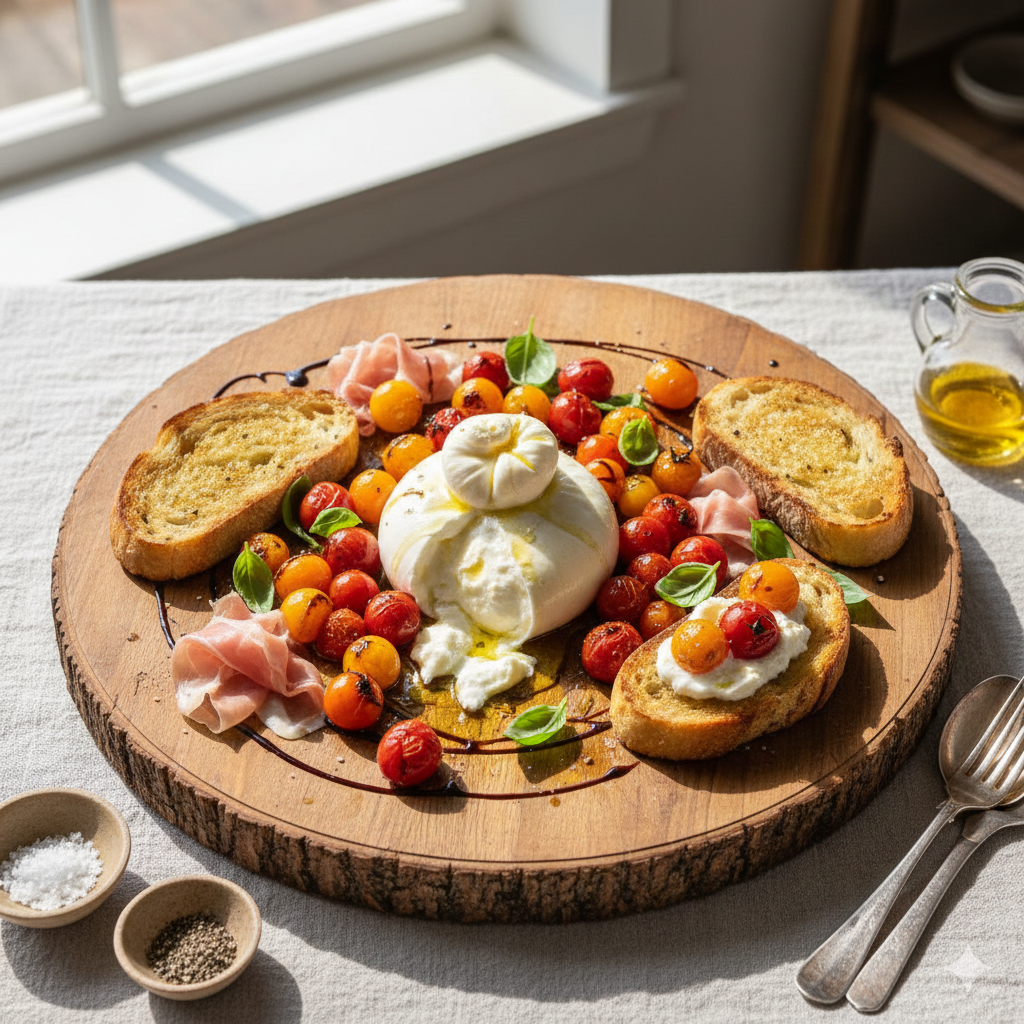
One of the most timeless ways to enjoy burrata is also the simplest. A classic burrata cheese recipe with tomatoes celebrates the cheese without distraction.
Ripe tomatoes are sliced or torn and lightly seasoned with salt. Burrata is placed on top, followed by a generous drizzle of extra virgin olive oil. Fresh basil leaves complete the dish, adding herbal freshness and aroma.
This preparation works because each element supports the cheese rather than competing with it. The acidity of tomatoes balances the richness of the burrata, while olive oil binds everything together.
Despite its simplicity, this burrata cheese recipe remains a benchmark for quality and balance.
Warm Burrata Cheese Recipe for Comfort Dishes
Burrata isn’t limited to cold applications. When handled carefully, it can enhance warm dishes without losing its character. A warm burrata cheese recipe focuses on contrast—hot ingredients paired with cool, creamy cheese.
Roasted vegetables such as zucchini, eggplant, or squash provide a hearty base. Once roasted until caramelized, they’re plated and topped with room-temperature burrata. The residual heat softens the cheese, creating a luscious texture without collapsing it.
This approach works beautifully for grain bowls, flatbreads, and rustic vegetable platters. The key is restraint. Burrata should finish the dish, not cook within it.
Burrata Cheese Recipe for Pasta Lovers
Few combinations feel as indulgent as pasta and burrata. A thoughtfully executed burrata cheese recipe for pasta transforms a simple bowl of noodles into a restaurant-quality dish.
Light sauces work best. Tomato-based sauces, olive oil emulsions, or herb-infused reductions provide flavor without overwhelming the cheese. Once the pasta is plated, burrata is placed directly on top and gently broken open at the table.
As the creamy center mingles with the warm pasta, it creates a natural sauce that coats each strand. This method avoids heavy cream while delivering richness and depth.
A burrata cheese recipe like this proves that luxury doesn’t require complexity.
Burrata Cheese Recipe for Bread and Starters
Burrata shines as a starter, especially when paired with bread. A rustic burrata cheese recipe featuring toasted bread emphasizes texture and contrast.
Grilled sourdough or focaccia provides crunch and smokiness. Burrata is torn rather than sliced and spread generously over warm bread. A drizzle of olive oil, cracked pepper, and herbs completes the dish.
This preparation is ideal for gatherings and casual meals. It’s approachable, elegant, and endlessly adaptable. From roasted garlic to seasonal vegetables, small additions can transform the base recipe without compromising its simplicity.
Seasonal Burrata Cheese Recipe Ideas
Seasonality plays an important role in creating memorable burrata dishes. A burrata cheese recipe that reflects the season feels more vibrant and intentional.
In summer, burrata pairs beautifully with stone fruits, fresh tomatoes, and herbs. In autumn, roasted squash, mushrooms, and nuts add warmth and depth. Winter applications often involve citrus, hearty greens, and toasted grains, while spring brings asparagus, peas, and tender greens.
Adapting burrata recipes to seasonal ingredients ensures freshness and variety throughout the year while keeping the cheese at the center of the plate.
How Burrata Enhances Salads Naturally
A burrata cheese recipe for salads offers an alternative to traditional dressings. The creamy center acts as a natural emulsifier, coating greens and vegetables effortlessly.
Instead of tossing burrata into a salad, place it whole on top and break it open just before serving. As the cream flows, it blends with olive oil and seasoning, creating a rich yet balanced dressing.
This method works especially well with bitter greens like arugula or radicchio, which contrast beautifully with burrata’s richness.
Mistakes to Avoid When Making a Burrata Cheese Recipe
Despite its simplicity, burrata can be mishandled. One of the most common mistakes is overheating. Burrata is not designed to melt like mozzarella, and excessive heat destroys its structure.
Another error is over-seasoning. Strong acids, heavy spices, or aggressive sauces overwhelm the cheese. Burrata thrives in subtle environments.
Finally, serving burrata cold diminishes its appeal. Temperature management is essential for any successful burrata cheese recipe.
Avoiding these mistakes ensures consistently excellent results.
Burrata Cheese Recipe Pairings That Work Every Time
Certain flavor pairings consistently enhance burrata. Olive oil, lemon zest, fresh herbs, and roasted vegetables complement its creaminess without masking its flavor.
Proteins such as prosciutto, grilled chicken, or seafood should be used sparingly. The goal is harmony, not competition. A balanced burrata cheese recipe always prioritizes texture and freshness.
Understanding these pairings helps you create your own variations with confidence.
Why Burrata Cheese Recipe Simplicity Matters
Burrata represents a philosophy of restraint in cooking. A successful burrata cheese recipe doesn’t rely on technique or presentation tricks. It relies on respect for the ingredient.
By focusing on quality, timing, and balance, burrata becomes the star without effort. This simplicity is what makes it so appealing in modern cooking.
Storing and Using Burrata Safely
Fresh burrata should be consumed as soon as possible. Ideally, it’s eaten within 24 hours of purchase. Once opened, it loses freshness quickly.
If leftovers are unavoidable, store burrata submerged in its liquid and consume within a day. However, most burrata cheese recipe ideas are best enjoyed immediately.
Planning portions carefully minimizes waste and ensures optimal flavor.
Burrata Cheese Recipe Creativity Without Overcomplication
Creativity in burrata recipes comes from thoughtful combinations rather than complexity. Small changes—different oils, herbs, or seasonal produce—create variety without straying from the cheese’s essence.
Trust the ingredient. Burrata doesn’t need embellishment to impress.
Conclusion: Mastering the Burrata Cheese Recipe at Home
A great burrata cheese recipe is about understanding the ingredient, respecting its texture, and pairing it wisely. From simple tomato plates to comforting warm dishes, burrata adapts effortlessly while maintaining its identity.
By focusing on freshness, timing, and balance, you can recreate restaurant-quality burrata dishes in your own kitchen. Whether you’re preparing a casual meal or an elegant spread, burrata delivers richness, elegance, and satisfaction with minimal effort.
Frequently Asked Questions (FAQs)
What is the best way to serve burrata cheese?
The best way to serve burrata is at room temperature with minimal seasoning. This allows the creamy center to shine and enhances its natural flavor.
Can burrata be used in hot recipes?
Yes, burrata can be used in warm dishes, but it should be added at the end. Excessive heat will destroy its structure and texture.
How long does burrata cheese last?
Fresh burrata is best consumed within one to two days. Once opened, it should be eaten as soon as possible for optimal quality.
Is burrata healthier than other cheeses?
Burrata is rich and indulgent, but it can be enjoyed in moderation as part of a balanced diet. Its freshness makes it a satisfying addition without requiring large portions.
Can I make a burrata cheese recipe ahead of time?
Most burrata cheese recipe ideas are best prepared just before serving. Advance preparation can compromise texture and flavor.