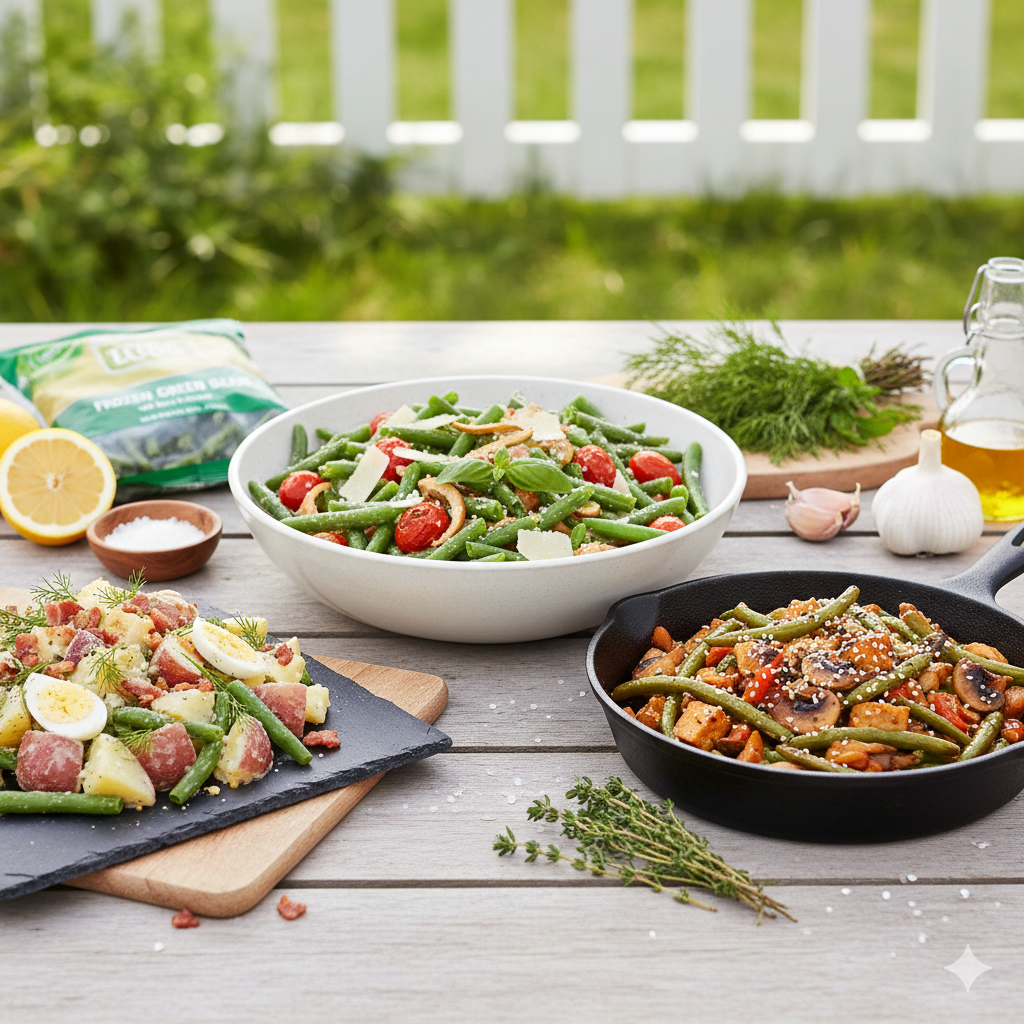
Frozen Green Bean Recipes: The Ultimate Guide to Flavorful, Convenient Vegetable Dishes
Frozen green beans have quietly become one of the most reliable vegetables in modern kitchens. Preserved at peak freshness, they offer consistency, convenience, and versatility that fresh produce cannot always guarantee. Well-prepared frozen green bean recipes deliver vibrant color, satisfying texture, and clean flavor when handled correctly, making them ideal for everyday meals as well as special occasions.
What makes frozen green beans especially appealing is their adaptability. They can be transformed into simple side dishes, hearty casseroles, or flavorful skillet meals with minimal preparation. Understanding how frozen green beans behave during cooking allows home cooks to create dishes that feel intentional and fresh rather than rushed or bland.
Understanding Frozen Green Beans as an Ingredient
Frozen green beans are flash-frozen shortly after harvest, locking in nutrients and flavor. This process ensures consistent quality regardless of season, making frozen green bean recipes dependable year-round. Unlike canned versions, frozen green beans retain a firmer texture that responds well to various cooking methods.
Because they are already cleaned and trimmed, frozen green beans reduce prep time significantly. However, they require thoughtful cooking to avoid excess moisture. Mastering this balance allows frozen green bean recipes to taste vibrant and satisfying rather than watery or dull.
Selecting Quality Frozen Green Beans
Not all frozen green beans are created equal. High-quality options contain whole, unbroken beans with minimal ice crystals. Excess frost often indicates temperature fluctuation, which negatively affects texture when cooked.
Well-known producers such as Birds Eye and Green Giant are often recognized for consistency and careful processing. Starting with quality beans simplifies cooking and improves the final outcome of frozen green bean recipes.
Proper Thawing vs. Cooking from Frozen
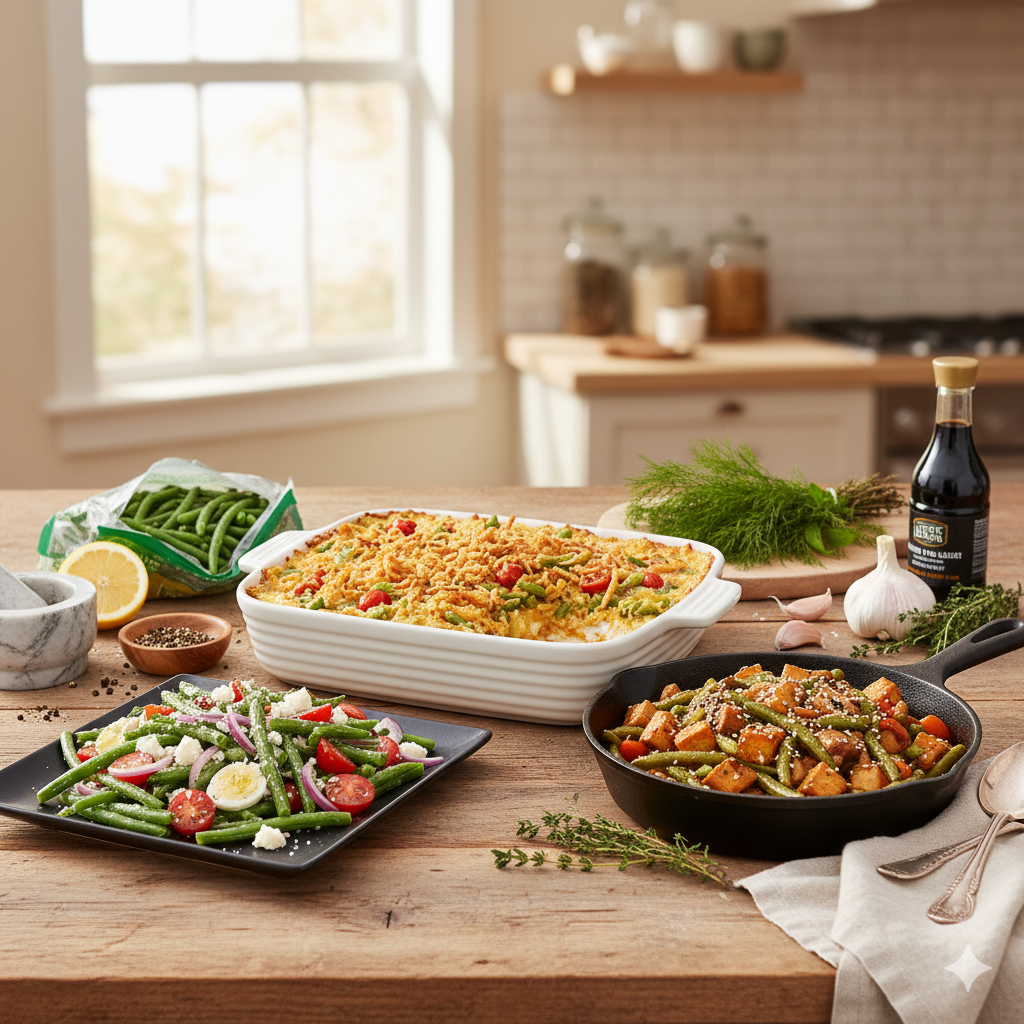
One of the most common questions surrounding frozen green bean recipes is whether to thaw before cooking. In most cases, cooking directly from frozen produces better texture and color by preventing excess water release.
Thawing is only recommended for specific preparations, such as cold salads or blended dishes. Understanding when to thaw and when to cook directly from frozen preserves structure and flavor while avoiding soggy results.
Sautéed Frozen Green Bean Recipes for Quick Meals
Sautéing is one of the most effective methods for cooking frozen green beans. High heat allows surface moisture to evaporate quickly, encouraging light browning and concentrated flavor. This approach transforms frozen green bean recipes into vibrant, weeknight-friendly dishes.
Proper pan space is critical. Overcrowding traps steam and prevents caramelization. When cooked correctly, sautéed frozen green beans develop texture and depth that rival fresh produce.
Oven-Roasted Frozen Green Bean Recipes
Roasting frozen green beans may seem unconventional, but it delivers impressive results. High oven temperatures evaporate moisture while allowing natural sugars to caramelize, creating a roasted flavor profile.
Spacing is essential to avoid steaming. When roasted properly, frozen green bean recipes emerge with crisp edges and concentrated flavor, making them suitable for hearty meals and holiday sides.
Frozen Green Bean Recipes for Comfort Dishes
Frozen green beans excel in comfort-focused recipes where texture softness is welcome. Creamy casseroles and baked dishes rely on the beans’ ability to absorb flavor while maintaining structure.
Because frozen green beans hold up well during extended cooking, they integrate seamlessly into layered dishes. This makes frozen green bean recipes reliable options for family meals and gatherings.
Skillet-Based Frozen Green Bean Recipes
Skillet cooking allows for rapid flavor development. Frozen green beans respond well to aromatics, seasonings, and fats when cooked over steady heat.
This method supports quick customization, making skillet-based frozen green bean recipes adaptable to different cuisines and flavor profiles. Proper heat control ensures tenderness without mushiness.
Flavor Pairings That Elevate Frozen Green Beans
Frozen green beans pair best with ingredients that enhance their natural sweetness. Savory aromatics, light acidity, and balanced fats create harmony without overpowering the beans.
Avoiding overly heavy sauces preserves freshness. Thoughtful pairing allows frozen green bean recipes to feel refined rather than utilitarian.
Texture Management in Frozen Green Bean Recipes
Texture is the defining challenge when cooking frozen green beans. Excess moisture leads to limp results, while overcooking causes dull flavor.
Using high heat, proper spacing, and minimal liquid preserves structure. These techniques ensure frozen green bean recipes remain crisp-tender and visually appealing.
Frozen Green Bean Recipes for Busy Weeknights
Convenience is a major advantage of frozen green beans. With no prep required, frozen green bean recipes fit seamlessly into busy schedules.
Quick cooking methods allow flavorful results in minimal time. These recipes prioritize efficiency without sacrificing satisfaction or nutritional value.
Make-Ahead and Storage Considerations
Many frozen green bean recipes can be prepared partially in advance. Pre-seasoning or pre-cooking saves time while maintaining quality when stored correctly.
Reheating should be gentle to preserve texture. Proper storage ensures leftovers remain enjoyable rather than waterlogged.
Common Mistakes When Cooking Frozen Green Beans
One common mistake is boiling frozen green beans, which releases excess water and strips flavor. Another error is overcrowding pans, preventing proper heat exposure.
Avoiding these issues dramatically improves results. Attention to technique ensures frozen green bean recipes taste intentional and well-executed.
Nutritional Value of Frozen Green Beans
Frozen green beans retain most of their nutrients due to rapid freezing. They provide fiber, vitamins, and minerals while remaining low in calories.
This nutritional consistency makes frozen green bean recipes suitable for balanced meals without compromise. Thoughtful preparation maintains both flavor and health benefits.
Why Frozen Green Bean Recipes Remain Timeless
Frozen green bean recipes endure because they solve real kitchen challenges. They offer availability, consistency, and adaptability without sacrificing quality.
Their timelessness reflects modern cooking needs where convenience and nutrition coexist. Frozen green beans remain a dependable staple for all skill levels.
Confidence Through Cooking with Frozen Green Beans
Understanding frozen green beans builds confidence in the kitchen. Once moisture control and heat management are mastered, creativity follows naturally.
This confidence transforms frozen green bean recipes from fallback options into intentional, reliable dishes worthy of repetition.
Conclusion: Mastering Frozen Green Bean Recipes at Home
Frozen green bean recipes prove that convenience does not have to mean compromise. With proper technique and thoughtful seasoning, frozen green beans deliver flavor, texture, and satisfaction equal to fresh alternatives.
By understanding how to select, cook, and pair frozen green beans, home cooks can create versatile dishes for any occasion. Mastery ensures frozen green bean recipes remain a trusted and flavorful part of everyday cooking.
Frequently Asked Questions (FAQs)
Should frozen green beans be thawed before cooking?
In most cases, cooking directly from frozen produces better texture and flavor.
Why are my frozen green beans soggy?
Excess moisture and low heat often cause sogginess.
Can frozen green bean recipes be roasted?
Yes, roasting at high heat delivers excellent texture and flavor.
Are frozen green beans healthy?
They retain most nutrients and are suitable for balanced diets.
Can frozen green beans replace fresh in recipes?
Yes, with proper technique, frozen green bean recipes work well as substitutes.