Peanut Butter Ball Recipe: No Bake Bites for Any Season
A peanut butter ball recipe is the kind of treat that feels like a small win: quick to mix, easy to shape, and perfect for the fridge or freezer. Peanut butter balls show up at last-minute gatherings, holiday cookie trays, and busy-week snack plans because they deliver a rich, sweet bite without needing an oven. When the base is right, easy peanut butter balls can be soft in the center, firm enough to hold, and smooth enough to dip in chocolate.
This page covers the easiest peanut butter balls recipe style, plus versions like 2 ingredient peanut butter balls, 3 ingredient peanut butter balls, and a 4 ingredient peanut butter balls option that tastes more “classic.” It also explains dipping peanut butter balls without cracks, and how peanut butter balls Christmas batches can stay neat, giftable, and consistent.
What Makes a Peanut Butter Ball Recipe Work Every Time
A dependable peanut butter ball recipe has one job: create a mixture that tastes like peanut butter candy and still holds its shape. That comes down to three things: the type of peanut butter, the binder that thickens it, and how long the mixture is chilled before rolling. Some mixtures fail because the peanut butter is too runny, the binder is too light, or the dough is warm and sticky when shaping starts.
Texture should be the target from the beginning. The mixture needs to feel like a soft dough that can be pinched and rolled without clinging to the palms. If it pours, it needs more dry binder. If it crumbles, it needs a little more peanut butter or a small splash of liquid sweetener.
Choosing Peanut Butter for Peanut Butter Balls
Natural peanut butter can work, though it often makes peanut butter balls softer and more oily, especially in warm kitchens. A stabilized creamy peanut butter usually gives more predictable results for an old fashioned peanut butter balls recipe easy style. Crunchy peanut butter works too, and it adds texture that feels satisfying under a chocolate shell.
If the jar has a thick oil layer on top, stirring it extremely well helps, then chilling the stirred peanut butter briefly can make shaping easier.
The Binder That Creates “Candy Dough” Texture
Most ingredient peanut butter balls recipes rely on powdered sugar as the binder. It thickens the mixture quickly and creates that classic sweet-candy bite. Alternatives like crushed graham crackers, oat flour, or finely ground cookies can also bind, though they shift flavor and texture.
For a softer bite, a cook can reduce powdered sugar slightly and add a little more peanut butter. For a firmer bite that holds up on trays, powdered sugar usually needs to be a steady part of the mix.
Easiest Peanut Butter Balls Recipe With a Classic Base
The easiest peanut butter balls recipe is built around a familiar ratio: peanut butter for flavor, powdered sugar for structure, and a small amount of fat for smoothness. Many easy peanut butter balls start with about one cup creamy peanut butter, roughly one and three-quarter to two cups powdered sugar, and two to four tablespoons softened butter. A pinch of salt helps, and a small splash of vanilla adds warmth.
The mixture is stirred until it looks like thick dough. At first it may seem too loose, then it tightens as the sugar hydrates. Once it holds together, it benefits from chilling for at least twenty to thirty minutes before rolling. That rest makes the dough less sticky and helps peanut butter balls keep a round shape.
How Rolling and Chilling Affect Shape
Warm hands soften dough quickly. A simple trick is rolling smaller batches at a time, leaving the rest chilled. If the mixture starts sticking, chilling the bowl again for ten minutes can bring it back into shapeable territory.
When peanut butter balls are meant for dipping, chilling is not optional. Firm centers handle warm chocolate better and reduce cracking.
Sizing Peanut Butter Balls for Trays and Gifts
Bite-size works best for most occasions. A cook can aim for a rounded tablespoon of dough per ball for a standard size. Smaller balls feel more “candy-like” and dip more cleanly. Larger ones feel richer and can be harder to coat smoothly.
For peanut butter balls Christmas trays, smaller sizes often look tidier and stretch a batch farther without changing the ingredient cost much.
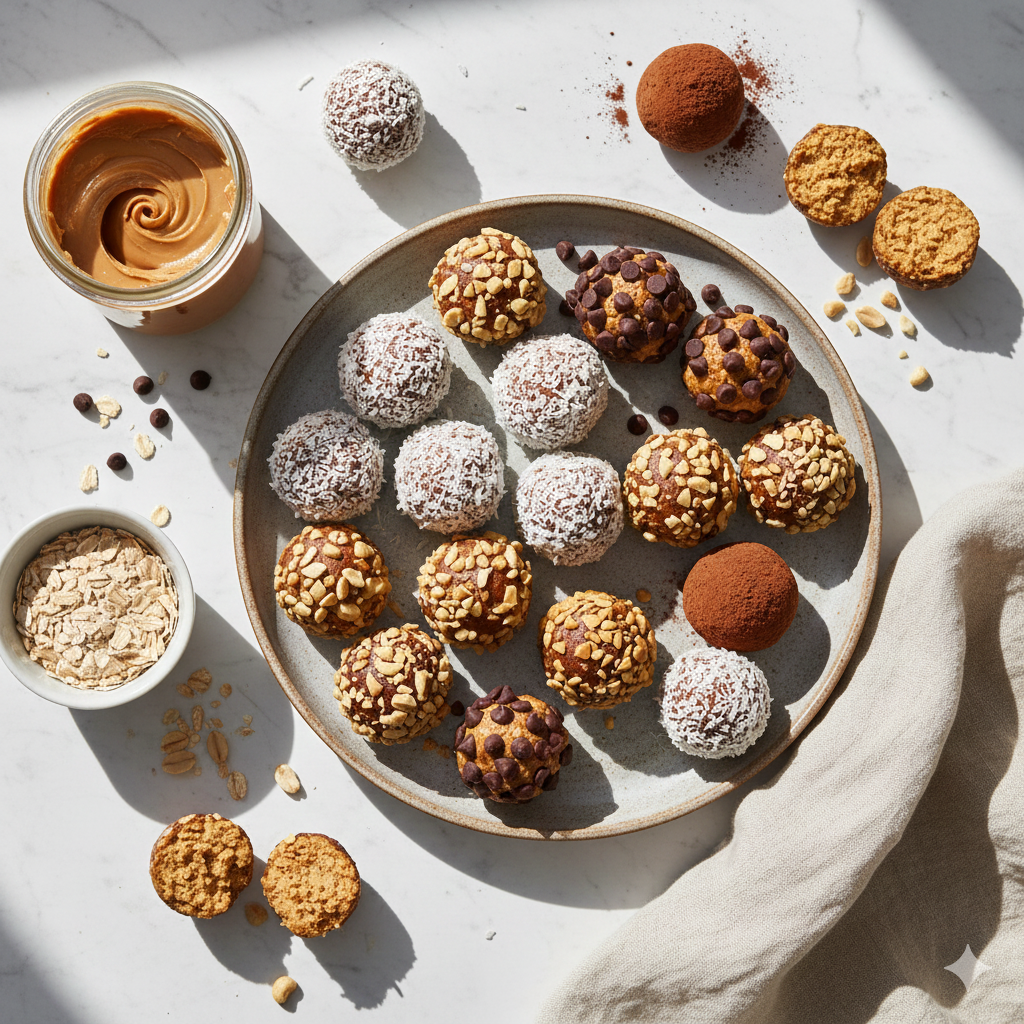
No Bake Peanut Butter Balls 3 Ingredients, 2 Ingredients, and 4 Ingredients
No bake peanut butter balls 3 ingredients versions are popular because they remove extra steps and still taste like a dessert. These quick versions succeed when the peanut butter consistency is fairly thick and the binder is measured to match it. The simplest approach still needs the mixture to hold its shape, so the “minimal ingredient” idea works best when the pantry items are the right types.
2 Ingredient Peanut Butter Balls
2 ingredient peanut butter balls usually mean peanut butter plus a thickener. The most common thickener is powdered sugar, since it firms quickly and tastes like candy. A cook can combine peanut butter with powdered sugar until a dough forms, then chill and roll.
This style can be a little sweeter than other versions, since powdered sugar does much of the structural work. A pinch of salt helps balance the sweetness if the peanut butter is unsalted.
3 Ingredient Peanut Butter Balls
3 ingredient peanut butter balls often use peanut butter, powdered sugar, and one extra item for flavor or texture. Butter is a common third ingredient because it smooths the dough and makes it easier to roll. Vanilla can be the third ingredient in a softer version, though it does not help structure the way butter does.
No bake peanut butter balls 3 ingredients batches tend to be quick and predictable when the dough is chilled before rolling.
4 Ingredient Peanut Butter Balls for a More “Old Fashioned” Taste
4 ingredient peanut butter balls usually include peanut butter, powdered sugar, butter, and vanilla. This is close to what many people imagine when they think of an old fashioned peanut butter balls recipe easy style. The butter rounds the sweetness and gives a softer, smoother bite. Vanilla gives a bakery-like aroma that makes the candy taste more complete.
If a cook wants the center slightly less sweet, a small portion of powdered sugar can be replaced with finely crushed graham crackers. That still binds well and tastes nostalgic.
3 Ingredient Peanut Butter Chocolate Balls and Flavor Variations
A peanut butter ball recipe does not have to stay plain. Chocolate, cocoa, spices, and add-ins can change the mood without making the process harder. Many kitchens lean toward 3 ingredient peanut butter chocolate balls when they want a strong chocolate-peanut profile without complex steps.
A simple approach is using peanut butter, powdered sugar, and cocoa powder, then adjusting with a tiny splash of water or a teaspoon of oil if the mixture turns too dry. Cocoa absorbs moisture, so the dough may need a small tweak to keep it rollable.
Chocolate Forward Centers Without a Full Dip
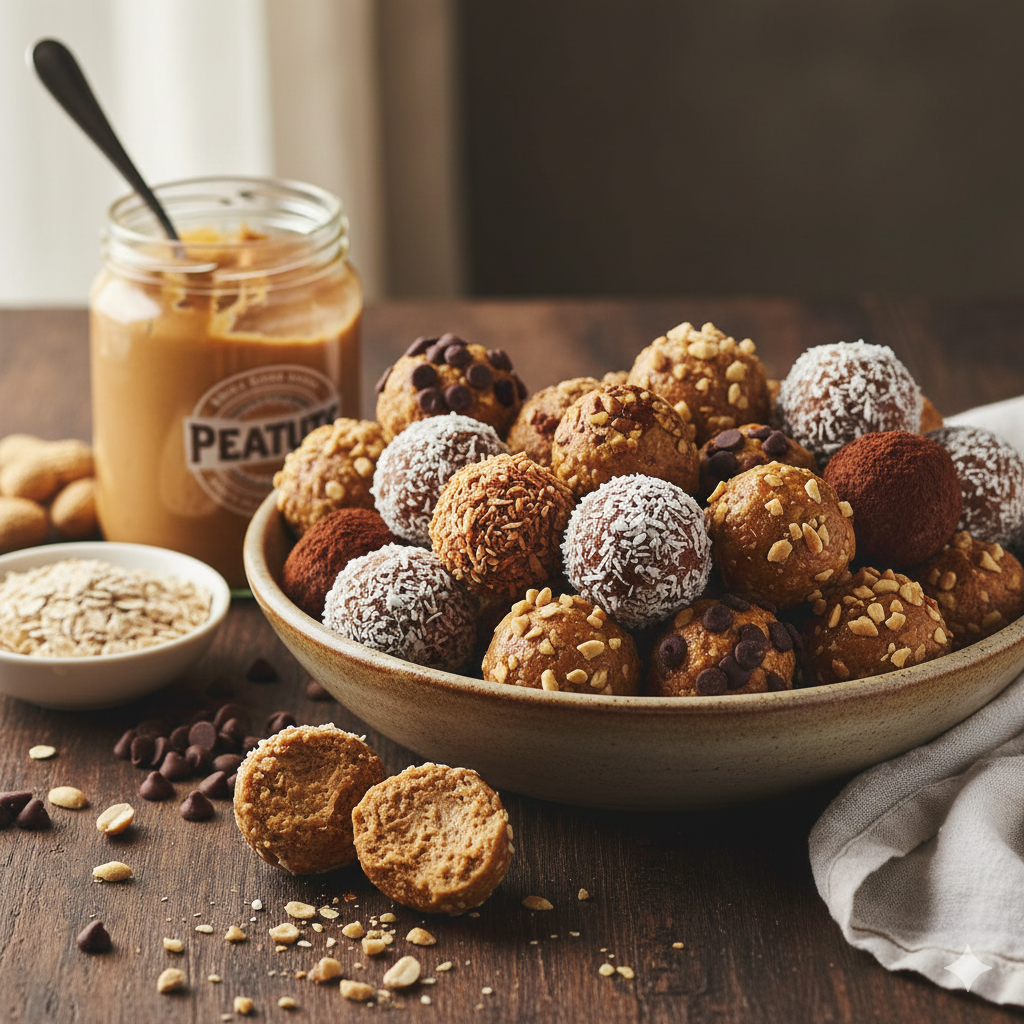
For a center that tastes chocolatey even before dipping, cocoa powder can be mixed into the dough. Another option is stirring in mini chocolate chips once the dough is thick and chilled. Chips hold their shape and give little bursts of chocolate.
A cook who wants a deeper taste can use a tiny pinch of espresso powder. It should stay subtle, not coffee-like.
Texture Add-Ins That Still Roll Well
Finely chopped nuts, toasted coconut, or crushed pretzels can be folded in, though too many dry pieces can make the dough crumble. Small amounts work best. For a softer chew, crushed rice cereal can add a light crunch without turning the dough gritty.
For holiday trays, sprinkles can go inside or on top after dipping, depending on the look the cook wants.
Dipping Peanut Butter Balls Without Cracks or Lumpy Coats
Dipping peanut butter balls is often the step that causes frustration. Cracks happen when the center is too cold and the chocolate is too warm, or when the center is too soft and shifts under the coating. Lumpy coats happen when the chocolate is too thick or overheated.
The smoothest results come from two habits: chilling the rolled balls until firm, and melting chocolate gently so it stays fluid.
Melting Chocolate the Gentle Way
Chocolate can be melted in a microwave in short bursts with stirring between rounds, or over a double boiler with low heat. Overheating makes chocolate thick and grainy. A small spoon of coconut oil or neutral oil can thin melted chocolate and help it coat more smoothly.
When the chocolate flows easily, it clings better and sets with a cleaner finish.
Coating, Setting, and Keeping the Bottom Neat
A fork or dipping tool can lower a ball into chocolate, then lift it out and let excess drip off. Tapping gently helps smooth the coat. Dropping the coated ball onto parchment helps prevent sticking.
For a tidy base, the chocolate coat should set fully before moving. If the kitchen is warm, setting the tray in the fridge can speed this up and keep the coating glossy.
When a Cook Wants “Half Dipped” Peanut Butter Balls
Half dipping can look elegant and reduces chocolate use. The peanut butter ball recipe base still matters, since the exposed half needs to stay smooth and firm. This style works well for peanut butter balls Christmas trays where variety matters.
Peanut Butter Balls Christmas Batches and Gifting Tips
Peanut butter balls Christmas traditions often center on making a large batch ahead of time, then storing them for parties, guests, and gift boxes. The goal is candy that looks consistent, holds up on trays, and tastes fresh even after days in the fridge.
Chilling and storage make the biggest difference for giftable results. A cook can roll all balls first, chill them, then dip in batches so the centers stay firm.
Holiday Looks Without Extra Fuss
A simple holiday finish can be crushed candy cane sprinkled on wet chocolate, red and green sprinkles, or a drizzle of white chocolate over dark chocolate coats. Another classic look is rolling the undipped balls in shredded coconut or finely chopped nuts.
For gift boxes, small paper candy cups can keep peanut butter balls from touching and help them look cleaner.
Batch Planning and Make Ahead Timing
A peanut butter ball recipe can be mixed and rolled a day ahead, then dipped the next day. That split schedule is helpful for holiday cooking. Dipped peanut butter balls usually hold well in the fridge for several days, and freezing works for longer storage.
When freezing, a cook can freeze the balls on a tray first, then transfer them to a container with parchment between layers.
Troubleshooting Easy Peanut Butter Balls
Easy peanut butter balls can still go wrong when ingredient textures vary. Peanut butter thickness changes by brand and by temperature. Powdered sugar can clump if humid. Butter softness changes fast. Fixes usually take one or two small adjustments rather than a full remake.
If the Dough Feels Too Sticky
Sticky dough usually needs more dry binder or more chill time. Adding powdered sugar in small amounts can tighten it. Chilling the bowl for fifteen minutes can also bring the mixture into a rollable texture without changing sweetness too much.
If the kitchen is warm, keeping hands cool and working in short batches helps.
If the Dough Crumbles When Rolled
Crumbly dough usually means too much powdered sugar or too many dry add-ins. A spoon of peanut butter can bring it back together. If the flavor becomes too intense, a small spoon of softened butter can soften the texture without making the dough oily.
If the Chocolate Coating Turns Dull or Thick
Chocolate that turns dull can be overheated or set in a humid environment. Thick chocolate can be loosened with a small amount of coconut oil and gentle reheating. Slow, low melting usually gives the cleanest finish.
Storing Peanut Butter Balls Safely and Keeping Texture Right
A peanut butter ball recipe is often chosen because it stores well. Peanut butter balls can stay in the fridge for several days and still taste good. The main storage issues are absorbing fridge odors and drying on the surface if left uncovered.
A sealed container solves most problems. Parchment between layers prevents sticking and protects the coating. If the balls are dipped, letting the chocolate set fully before stacking prevents marks.
Fridge Storage for Short Term Snacking
In the fridge, peanut butter balls typically stay at their best for about a week. The center firms and becomes more “candy-like” after a day. For softer bites, letting them sit at room temperature for a few minutes before serving can help.
Freezer Storage for Make Ahead Batches
For longer storage, freezing works well. Peanut butter balls Christmas batches can be made early, frozen, then thawed overnight in the fridge before serving. Thawing slowly helps avoid condensation on the chocolate coating.
If the balls are undipped, freezing first and dipping later can sometimes give a fresher-looking finish.
Conclusion
A peanut butter ball recipe stays popular because it fits real life: minimal equipment, no oven, and a result that feels like a proper treat. The easiest peanut butter balls recipe base can be adjusted into 2 ingredient peanut butter balls, 3 ingredient peanut butter balls, or 4 ingredient peanut butter balls depending on what is on hand. With firm chilling and gentle melting, dipping peanut butter balls becomes smooth and tidy. For peanut butter balls Christmas trays and gift boxes, small sizes, clean coatings, and smart storage keep the batch looking as good as it tastes.
FAQs
What is the easiest peanut butter balls recipe for beginners?
The easiest peanut butter balls recipe usually uses peanut butter, powdered sugar, butter, and vanilla. It mixes into a soft dough, chills, then rolls easily.
Can 2 ingredient peanut butter balls hold their shape well?
They can, especially when the peanut butter is thick and the dough is chilled before rolling. Powdered sugar is the most common binder in 2 ingredient peanut butter balls.
How do no bake peanut butter balls 3 ingredients taste compared to the classic version?
No bake peanut butter balls 3 ingredients taste very similar, just slightly simpler. Butter as the third ingredient often gives the most “classic” candy texture.
How can a cook make 3 ingredient peanut butter chocolate balls without dipping?
Cocoa powder can be mixed into the dough, then the mixture is adjusted with a tiny splash of water or a teaspoon of oil if it turns dry. Chilling helps it roll cleanly.
What is the best way to handle dipping peanut butter balls?
Firm chilling first helps the centers stay stable. Chocolate should be melted gently so it stays smooth and fluid, then the balls can be dipped and set on parchment.
Why did the peanut butter balls crack after dipping?
Cracks often happen when the center is very cold and the chocolate is warm, or when the center is soft and shifts. Letting the centers firm and keeping chocolate gently warm helps.
How long do peanut butter balls Christmas batches last?
In the fridge, many batches stay good for about a week in a sealed container. For longer storage, freezing works well, especially when layered with parchment.
Can an old fashioned peanut butter balls recipe easy be made with crunchy peanut butter?
Yes. Crunchy peanut butter adds texture and still rolls well when the binder and chill time are right.