Soda and Vodka Recipes: Clean, Refreshing Drinks With Endless Variations
Soda and vodka recipes remain popular because they strike a balance between simplicity and flexibility. With just a few ingredients, these drinks deliver crisp flavor, controlled sweetness, and a lighter feel compared to heavier cocktails. Whether prepared at home or ordered at a bar, vodka mixed with soda allows the base spirit to shine while offering room for customization.
This guide explores classic combinations, modern twists, sweetness control, calorie awareness, homemade soda ideas, and flavor pairings that suit different preferences. From a straightforward vodka and soda recipe to citrus-forward variations, this content focuses on clarity, balance, and practical preparation.
Why Soda and Vodka Work So Well Together
Vodka has a neutral profile, which makes it ideal for mixing with carbonated beverages. Soda provides lift, texture, and refreshment without overpowering the alcohol. Together, they create drinks that feel light, easy to sip, and adaptable.
Unlike sugary mixed drinks, soda and vodka recipes allow control over sweetness and calories. Using plain soda water keeps sugar low, while flavored sodas or syrups introduce character when desired.
The pairing also suits many occasions, from casual evenings to social gatherings.
Understanding the Basic Vodka and Soda Recipe
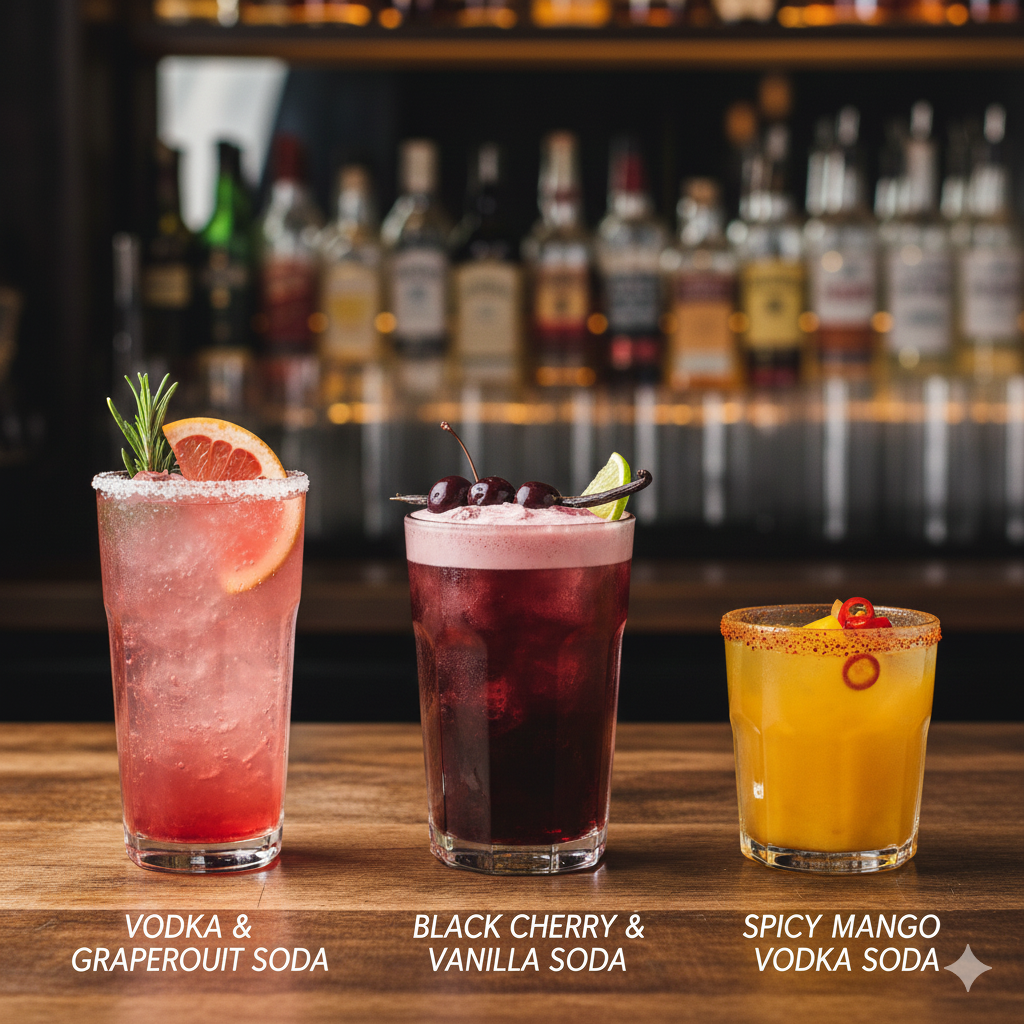
A vodka and soda recipe is straightforward by design. Vodka forms the base, soda water adds fizz, and ice keeps everything crisp. The drink relies on balance rather than complexity.
The quality of ingredients matters. Clean vodka produces a smoother drink. Fresh soda water ensures strong carbonation. Ice quality affects dilution and texture.
This simplicity explains why vodka and soda recipes remain a staple across bars and homes.
Soda Choices and Their Impact on Flavor
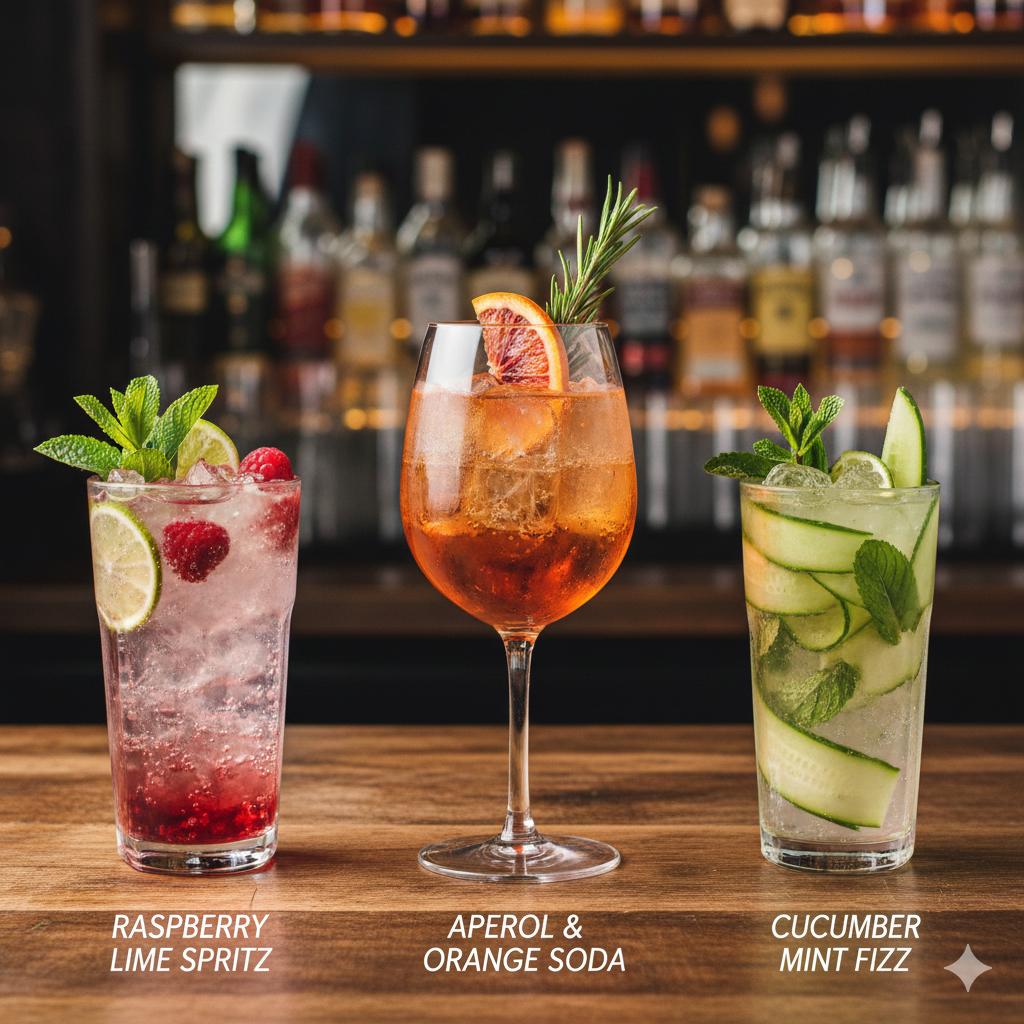
Soda options shape the final taste more than most expect. Plain soda water keeps the drink dry and neutral. Flavored sodas introduce sweetness and aroma.
Citrus sodas bring brightness. Cherry or berry sodas add depth. Cream soda creates a richer profile but increases sugar content.
Understanding soda sugar content helps tailor drinks to personal preference. Some sodas contain high sugar levels, while others use artificial sweeteners or no added sugar.
Vodka Lime and Soda Recipe Explained
The vodka lime and soda recipe adds acidity that sharpens the drink. Lime juice cuts through alcohol and carbonation, creating a cleaner finish.
Fresh lime provides better balance than bottled juice. A small amount goes a long way.
This version remains one of the most ordered vodka and soda recipes because it stays refreshing without sweetness.
Soda and Vodka Recipes With Light Sweetness
Some drinkers prefer a hint of sweetness. This can come from flavored soda, a splash of juice, or homemade syrup.
Using small amounts avoids overpowering the vodka. Orange, cherry, or berry flavors work well.
Balancing sweetness with acidity keeps the drink refreshing rather than heavy.
Using Diet Sodas and Sugar Awareness
Diet sodas offer sweetness without sugar, which appeals to calorie-conscious drinkers. Artificial sweeteners change mouthfeel and aftertaste, so preference varies.
Some people choose diet sodas to reduce sugar intake. Others prefer plain soda water with citrus to avoid sweeteners altogether.
Understanding sugar grams per serving helps maintain control, especially when mixing multiple drinks.
Calories and Balance in Vodka and Soda Recipes
Vodka contains calories from alcohol, while soda water adds none. Sugary sodas increase calorie count significantly.
A simple vodka and soda recipe remains one of the lighter cocktail options. Adding juice or syrup raises calories gradually.
This flexibility allows drinkers to adjust based on preference and occasion.
Homemade Soda Ideas for Vodka Mixing
Homemade soda offers control over flavor and sweetness. Syrups made from fruit, herbs, or spices mix easily with carbonated water.
Homemade soda reduces reliance on grocery shelves filled with high sugar sodas. It also allows creative flavor combinations.
Using homemade syrups with vodka creates drinks that feel personal and balanced.
Flavored Vodka Versus Flavored Soda
Flavored vodka adds taste without changing carbonation. Flavored soda adds sweetness and aroma.
Using one or the other prevents overwhelming the drink. Combining both requires restraint.
For example, citrus vodka with plain soda keeps flavors clear. Plain vodka with cherry soda adds sweetness without complexity.
Seasonal Soda and Vodka Recipes
Seasonal ingredients influence soda and vodka recipes naturally. Citrus suits warmer months. Spiced syrups work better in cooler seasons.
Berry sodas feel refreshing in summer. Ginger-based sodas add warmth in colder weather.
Adapting flavors keeps the drinks interesting throughout the year.
Soda Brands and Taste Differences
Soda brands vary in carbonation strength, sweetness, and mouthfeel. Some brands use cane sugar, others rely on corn syrup or artificial sweeteners.
Cream soda and root beer offer richer profiles but increase sugar content. Plain carbonated water provides a clean base.
Testing different soda brands helps identify personal preference.
Entertaining With Soda and Vodka Drinks
Soda and vodka recipes work well for entertaining because they scale easily. Guests can customize sweetness and flavor.
Offering plain soda, flavored sodas, citrus, and syrups allows variety without complicated preparation.
This approach suits gatherings without overwhelming the host.
Health Considerations and Moderation
Sugary drinks contribute to weight gain when consumed frequently. Choosing plain soda water reduces sugar intake.
Vodka mixed with soda avoids many additives found in premixed beverages.
Moderation remains important regardless of ingredients.
Avoiding Common Mixing Mistakes
Overpouring vodka disrupts balance. Too much syrup masks freshness.
Flat soda ruins texture. Fresh carbonation matters.
Using too much ice dilutes flavor quickly.
Attention to small details improves results.
Adjusting Strength and Flavor
Vodka and soda recipes allow easy adjustment. More soda lowers alcohol strength. Less soda intensifies vodka presence.
Adding lime, orange peel, or herbs changes aroma without sweetness.
This adaptability suits different tastes.
Cultural Popularity of Vodka and Soda Drinks
Vodka and soda drinks appear globally due to simplicity and availability. They adapt to local soda brands and flavor preferences.
This versatility explains their lasting presence in bars and homes.
Conclusion: Why Soda and Vodka Recipes Endure
Soda and vodka recipes remain relevant because they respect balance, clarity, and choice. With minimal ingredients, they offer control over sweetness, calories, and flavor. From a classic vodka and soda recipe to citrus-forward variations like vodka lime and soda, these drinks adapt to different tastes without unnecessary complexity.
Whether using plain soda water, flavored sodas, or homemade syrups, the combination delivers refreshment without heaviness. That reliability keeps soda and vodka drinks in regular rotation for casual evenings and social moments alike.
FAQs About Soda and Vodka Recipes
Is vodka and soda healthier than other mixed drinks?
It is lower in sugar than many cocktails, especially when using plain soda water.
Can flavored soda replace juice in vodka drinks?
Yes. Flavored soda adds sweetness and aroma without extra steps.
Does diet soda affect taste?
Yes. Artificial sweeteners change mouthfeel, which some prefer and others avoid.
How much vodka should be used per drink?
Balance matters more than quantity. Adjust based on preference.
Can homemade soda be used with vodka?
Yes. Homemade soda allows full control over flavor and sweetness.